

Tag: Mining Hose
Mining Hose Failure: The 9 Most Common Causes and How to Prevent Them
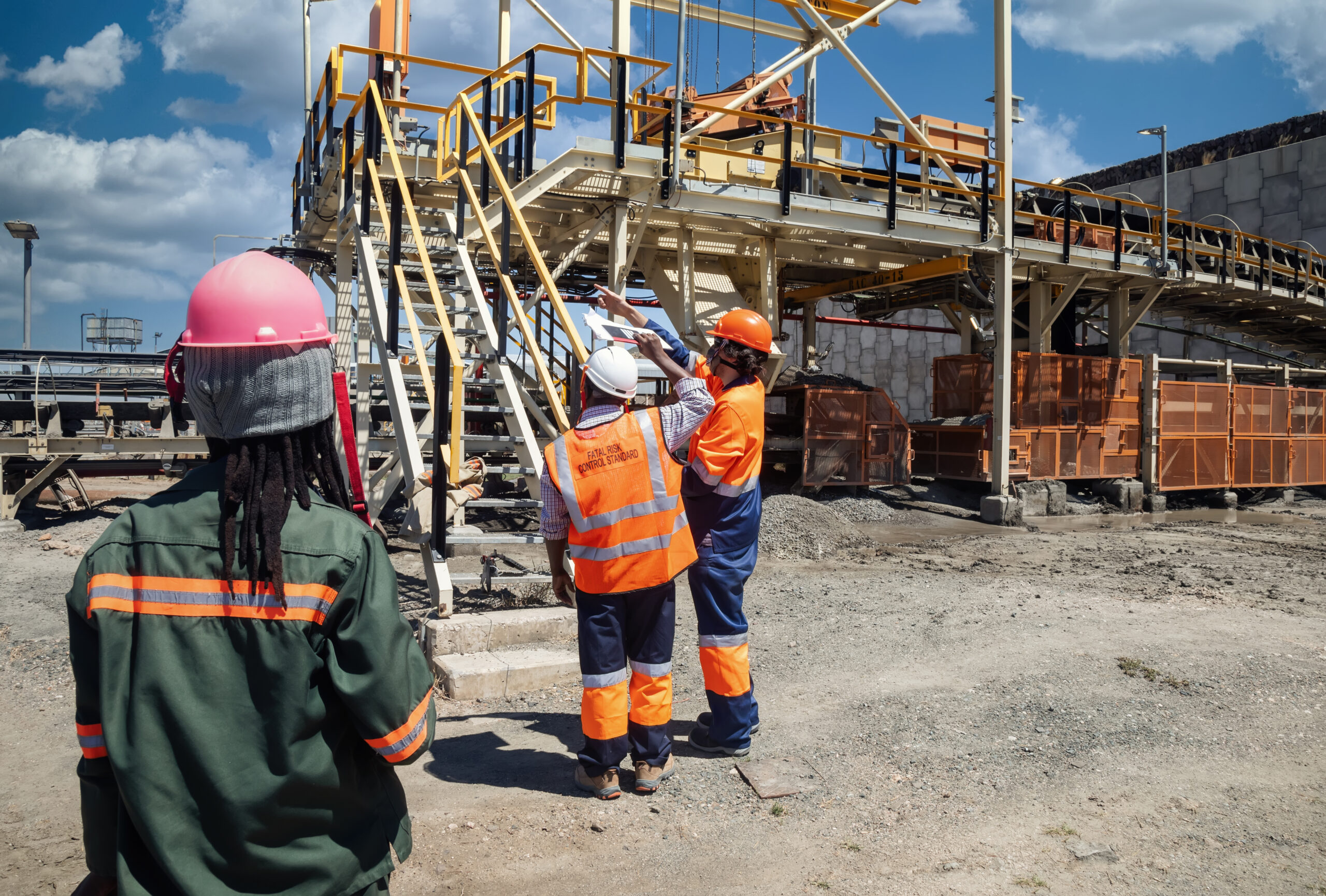
Mining hoses operate in some of the harshest mining environments, constantly exposed to abrasive slurries, high pressures, rough handling and demanding operating conditions. While a quality mining hose is designed for long service life, premature failures are often caused by incorrect hose selection, poor installation or operating conditions rather than the hose itself.
Understanding the most common causes of mining hose failure can help reduce downtime, improve safety and significantly extend hose service life.
1. Abrasion
Abrasion is by far the leading cause of mining hose failure. Highly abrasive slurries gradually wear away the internal rubber liner until the reinforcement becomes exposed.
Factors affecting abrasion include:
- Particle size
- Slurry velocity
- Solids concentration
- Hose liner compound
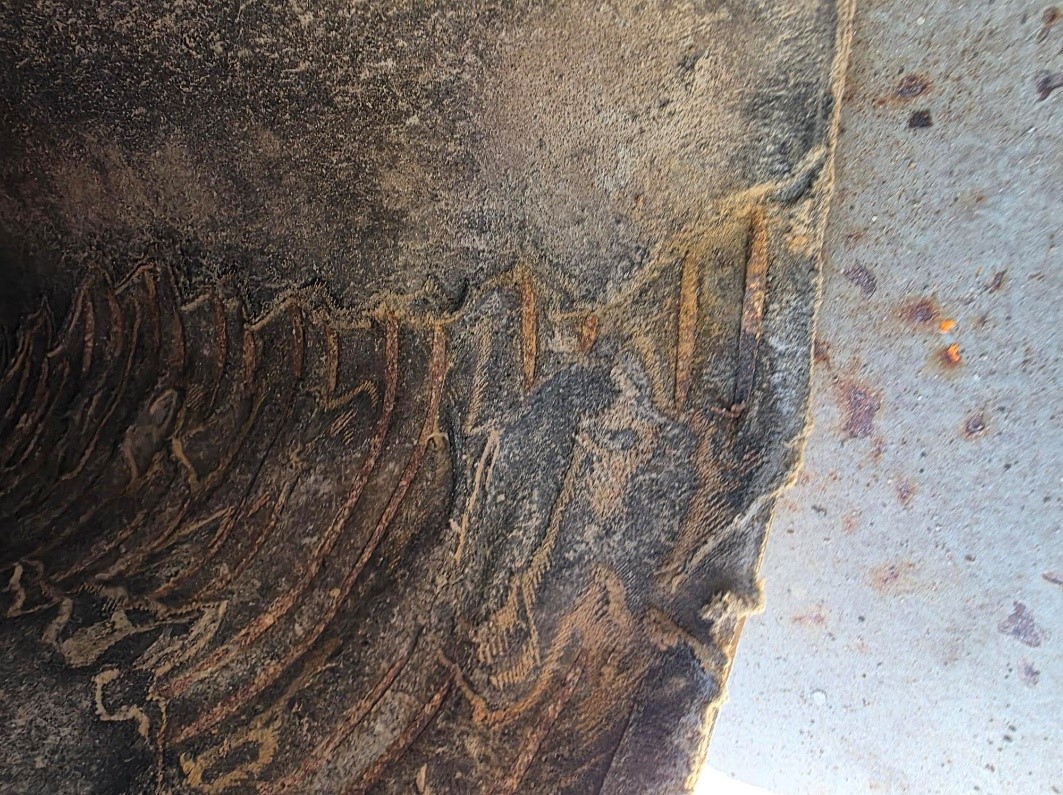
Not all abrasion-resistant compounds perform equally. Some compounds are better suited to fine, high-velocity slurries, while others perform better in coarse, highly abrasive applications. Our exclusive Abrasatech liner, used throughout our Abrasor and Turboflex mining hose range, delivers industry leading abrasion resistance to maximise hose life and reduce replacement frequency. For the most severe wear applications, we also manufacture ceramic lined mining hoses that provide even greater service life.
2. Incorrect Pressure Rating
Selecting a hose with an insufficient working pressure can cause excessive reinforcement fatigue, permanent expansion and ultimately catastrophic failure.
A mining hose pressure rating should be based on:
- Continuous operating pressure
- Pressure spikes
- Pump start up surges
As a minimum, mining hoses should be manufactured with a 4:1 safety factor, meaning the burst pressure is at least four times the maximum working pressure..
3. Excessive Bend Radius
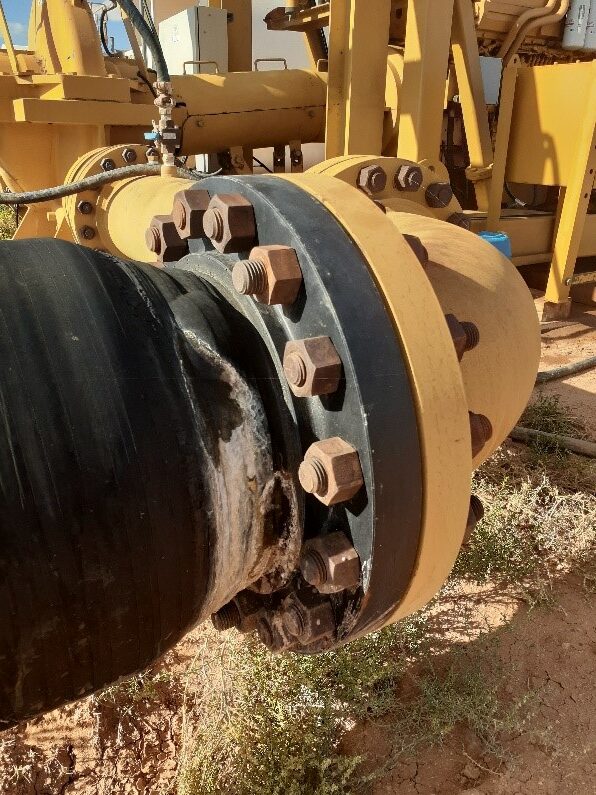
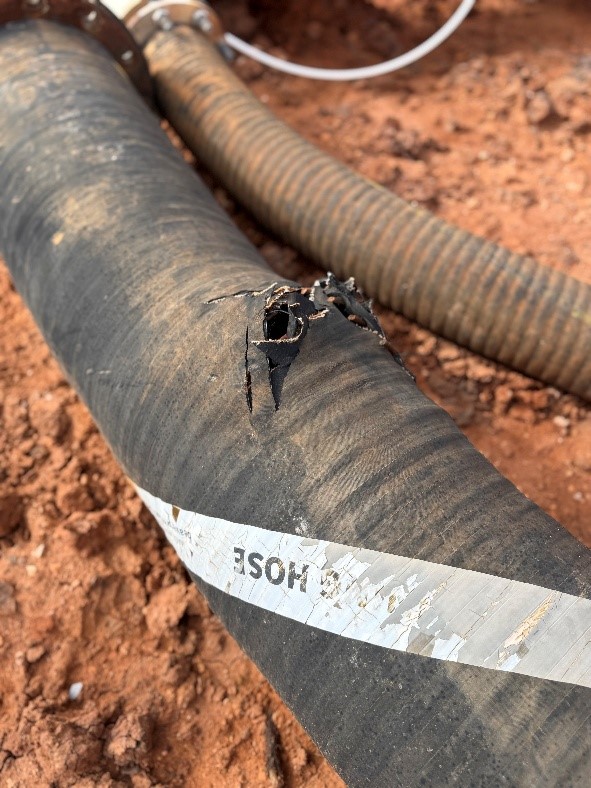
Every mining hose has a minimum bend radius. Bending beyond this limit can prematurely wear the hose and cause permanent damage including:
- Kinking
- Cover cracking
- Reduced pressure capability
- Reduced vacuum resistance
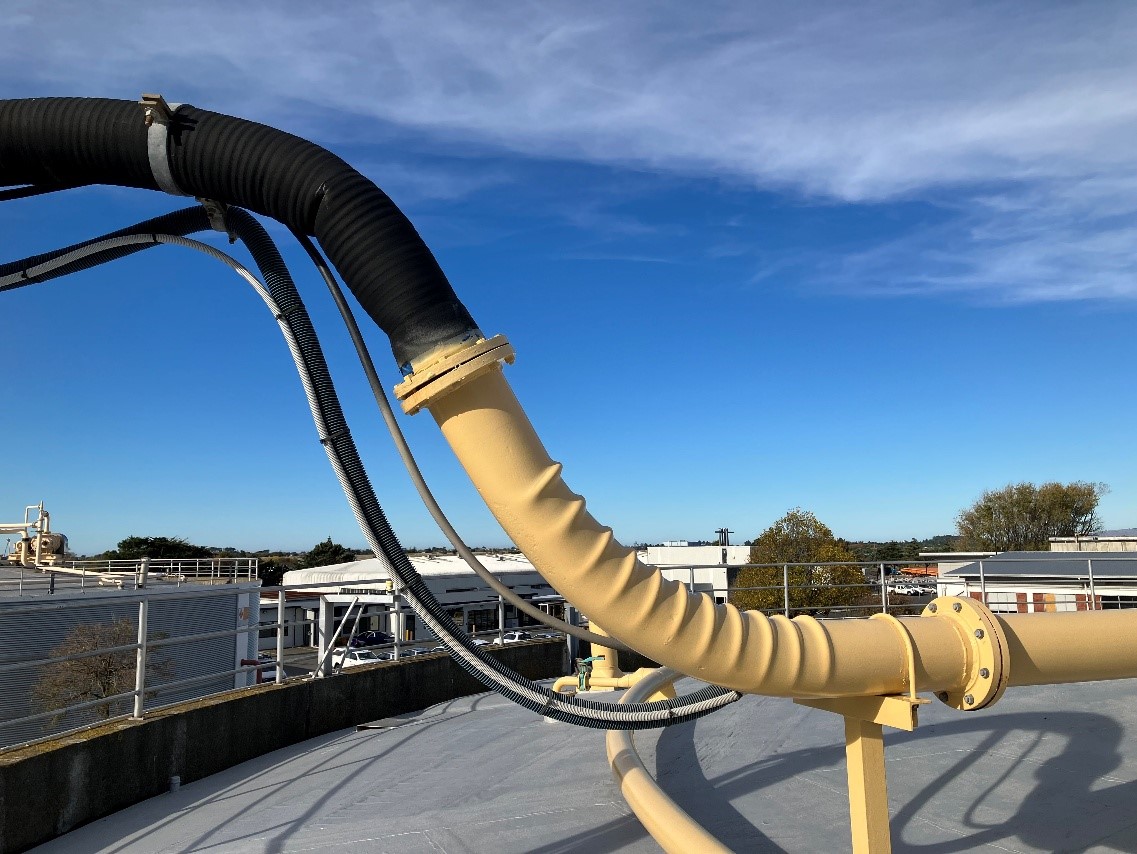
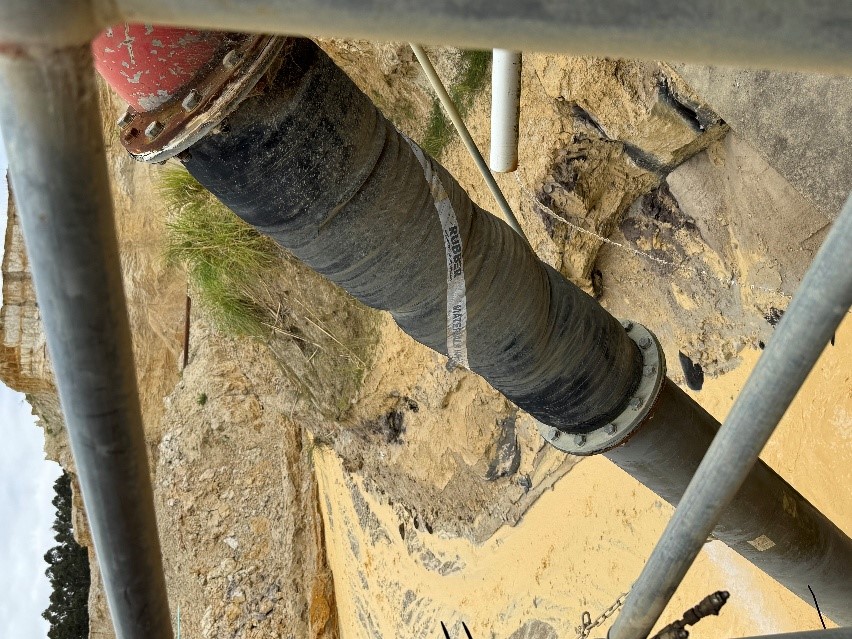
Over flexed mining hoses
Where tight installation spaces cannot be avoided, selecting a more flexible mining hose can dramatically reduce these stresses. Our Turboflex XT10 Series Mining Hose is the most flexible mining hose in the world, and a good option for complex installations.
4. Incorrect Installation
Improper installation is responsible for many avoidable hose failures.
Common installation mistakes include:
- Forcing the hose into position using the flanges and bolt
- Insufficient supports
- Over torquing flange bolts
- Not aligning hose internal diameters
- Bending the hose beyond its recommended bend radius
Correct installation allows the hose to flex naturally during operation and prevents unnecessary stress on both the hose body and end connections. For installation best practices, read our Complete Mining Hose Installation Guide.
5. External Damage
Hard wall mining hoses provide excellent vacuum resistance through their internal wire helix. However, repeated impact from heavy machinery or rough terrain can permanently deform the wire, reducing both vacuum performance and service life.
Where hoses are regularly driven over or subjected to heavy impact, a soft wall mining hose is often a better solution. Without an internal wire helix, it can flex under load without permanent deformation, making it well suited to these demanding applications.
6. Chemical and Heat
Chemical exposure and elevated operating temperatures often work together to accelerate mining hose failure. Not every rubber compound is suitable for every application, and standard hose materials can rapidly deteriorate when exposed to acidic slurries, aggressive process chemicals or excessive heat.
High temperatures accelerate rubber ageing, causing the hose to lose flexibility and mechanical strength, while chemical attack can lead to swelling, softening or cracking. Selecting a hose manufactured with the correct rubber compound for both the process media and operating temperature is essential to achieving maximum service life.
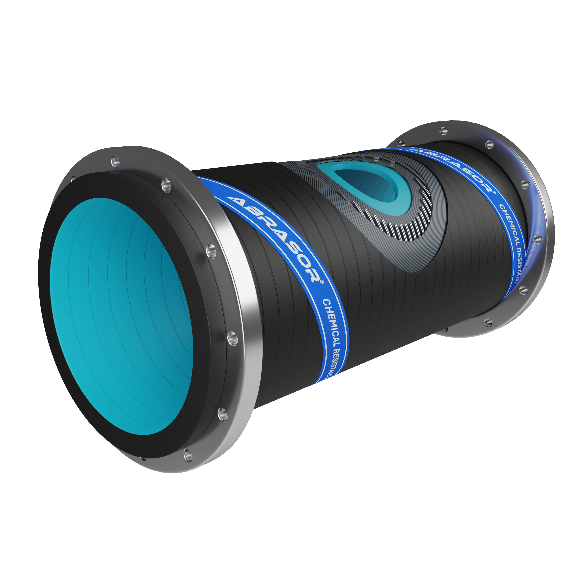
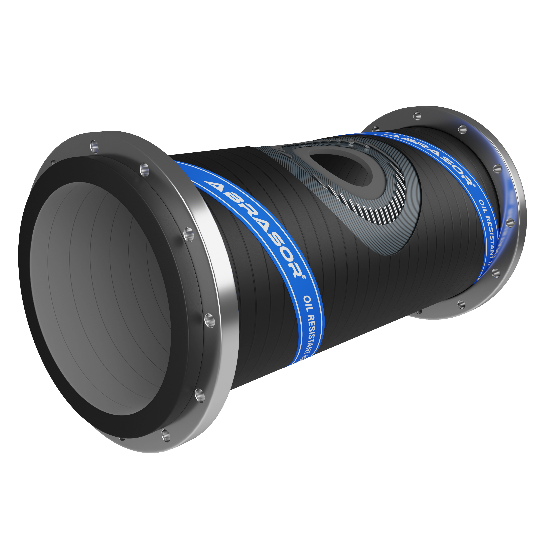
A good example is our work at Glencore’s Murrin Murrin operation, where slurry hoses were experiencing premature failures due to a combination of elevated temperatures and aggressive process media. By redesigning the hose with our Flowtech high-temperature, chemical resistant rubber compound, we increased service life by more than 3X dramatically reducing downtime and replacement costs.
7. Vacuum Collapse
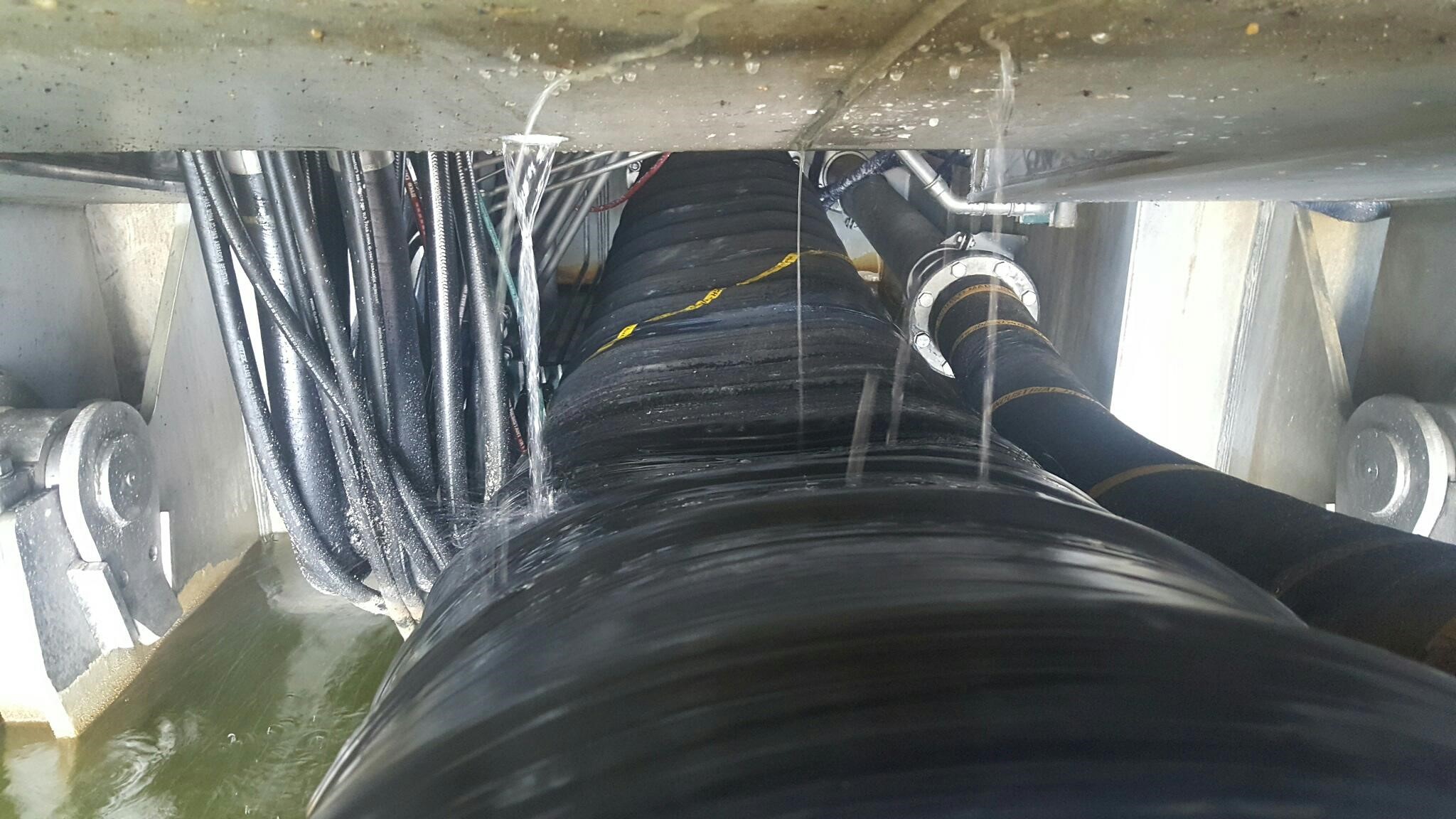
A mining hose operating under vacuum must be specifically designed to resist collapse. This is typically achieved using a spring steel wire helix embedded within the hose wall. Lower quality mining hoses may use undersized wire or mild steel reinforcement, significantly reducing vacuum performance.
All Abrasor and Turboflex mining hoses are manufactured using locally sourced spring steel wire, providing excellent resistance to vacuum collapse and external crushing forces.
8. End Connection Failure
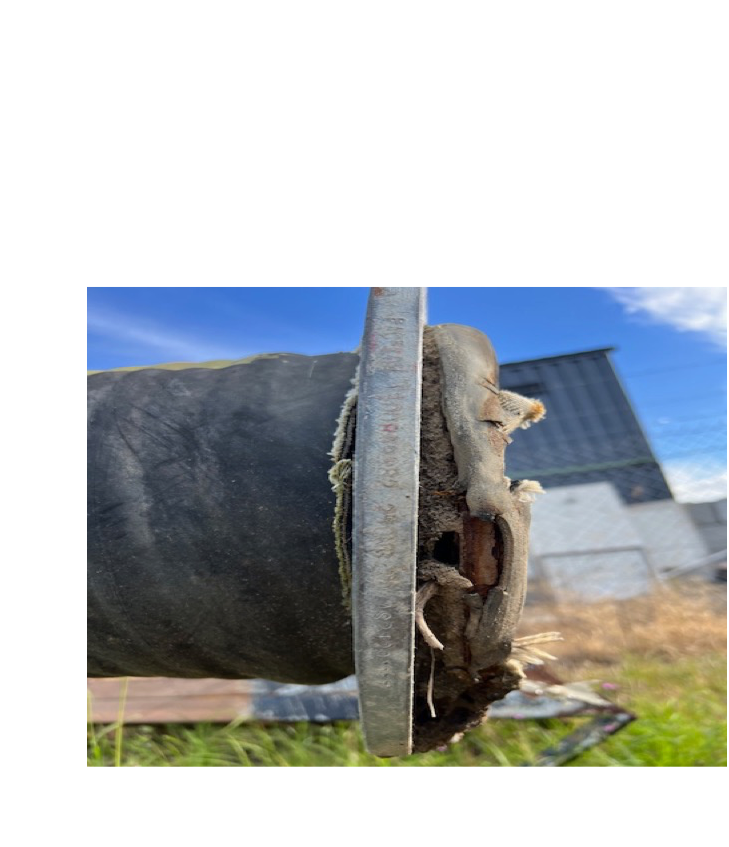
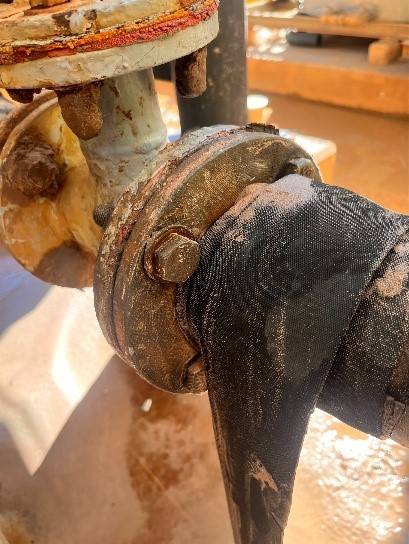
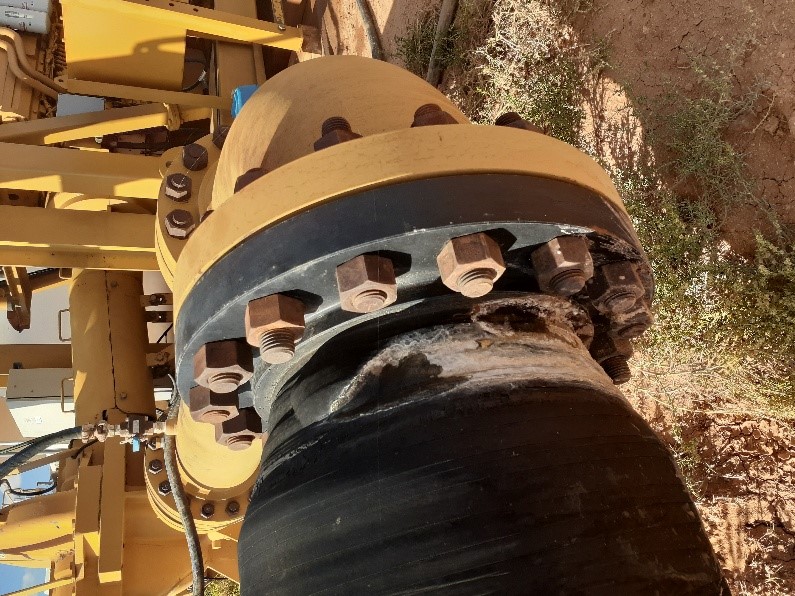
The hose body is often not the first component to fail the end connection is.
Poorly designed or incorrectly installed couplings can lead to:
- Hose pull-out
- Leaks
- Rubber tearing
- End separation
Integrally moulded flanges and reinforced end designs significantly improve end retention and reliability in high-pressure applications.
9. Selecting the Wrong Hose
Many hose failures occur simply because the hose was never designed for the application.
Before specifying a mining hose, manufacturers should be provided with the following information:
- Application
- ID of Connection
- Maximum Pressure
- Service (Suction or Discharge)
- Flexibility Requirements
- Chemical compatibility
- Temperature
Every mining application is different, and selecting the correct hose requires balancing all of these operating conditions not simply choosing the correct diameter.
Preventing Mining Hose Failure
Most premature mining hose failures can be avoided by selecting the correct hose for the application, following proper installation practices and carrying out regular inspections. The table below summarises the most common causes of hose failure and the recommended solution.
| Cause of Failure | How to Prevent It |
|---|---|
| Abrasion | Use an abrasion-resistant liner such as Abrasatech or upgrade to ceramic lining for severe wear. |
| Incorrect Pressure Rating | Specify maximum operating pressure, including pressure spikes and surges. |
| Excessive Bend Radius | Avoid bending hose beyond its recommended radius. Use Turboflex XT10-Series where tighter routing is required. |
| Incorrect Installation | Follow the recommendations in our Mining Hose Installation Guide. |
| External Damage | Select the appropriate hose construction and protect against impact and vehicle traffic. |
| Chemical and Heat | Select rubber compounds specifically designed for the chemicals and temperatures present in the process. |
| Vacuum Collapse | Use a spring steel wire-reinforced suction hose. |
| End Connection Failure | Ensure the hose is fitted with robust end connections suited to the correct pressure and application. |
| Incorrect Hose Selection | Consult experienced mining hose specialists before specifying the hose. |
Selecting the right mining hose from the outset is one of the most effective ways to reduce maintenance costs, minimise downtime and maximise service life. At Pacific Flow Technology, our mining hose experts work closely with customers to design hose assemblies that are tailored to their specific operating conditions, delivering reliable performance in even the most demanding mining environments.