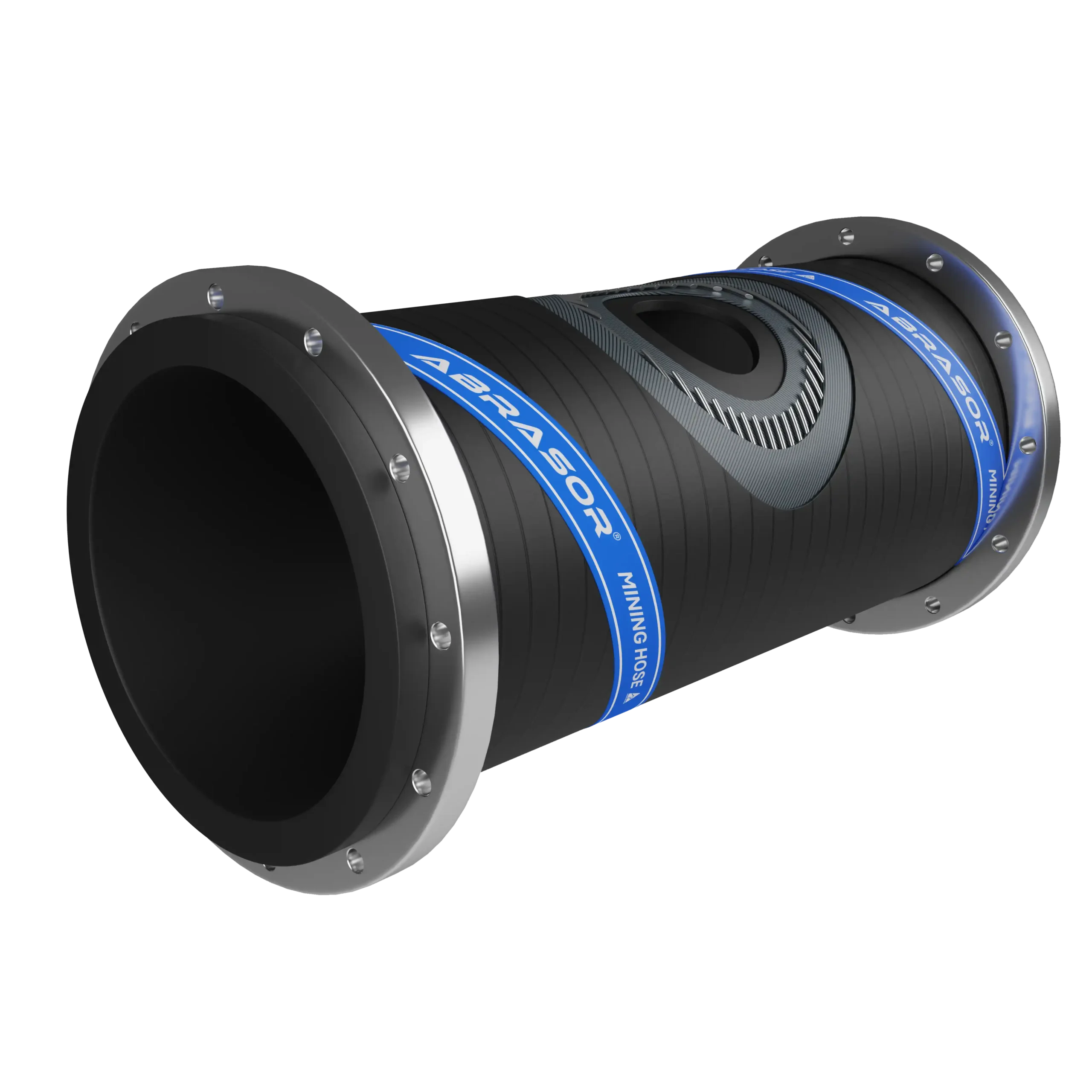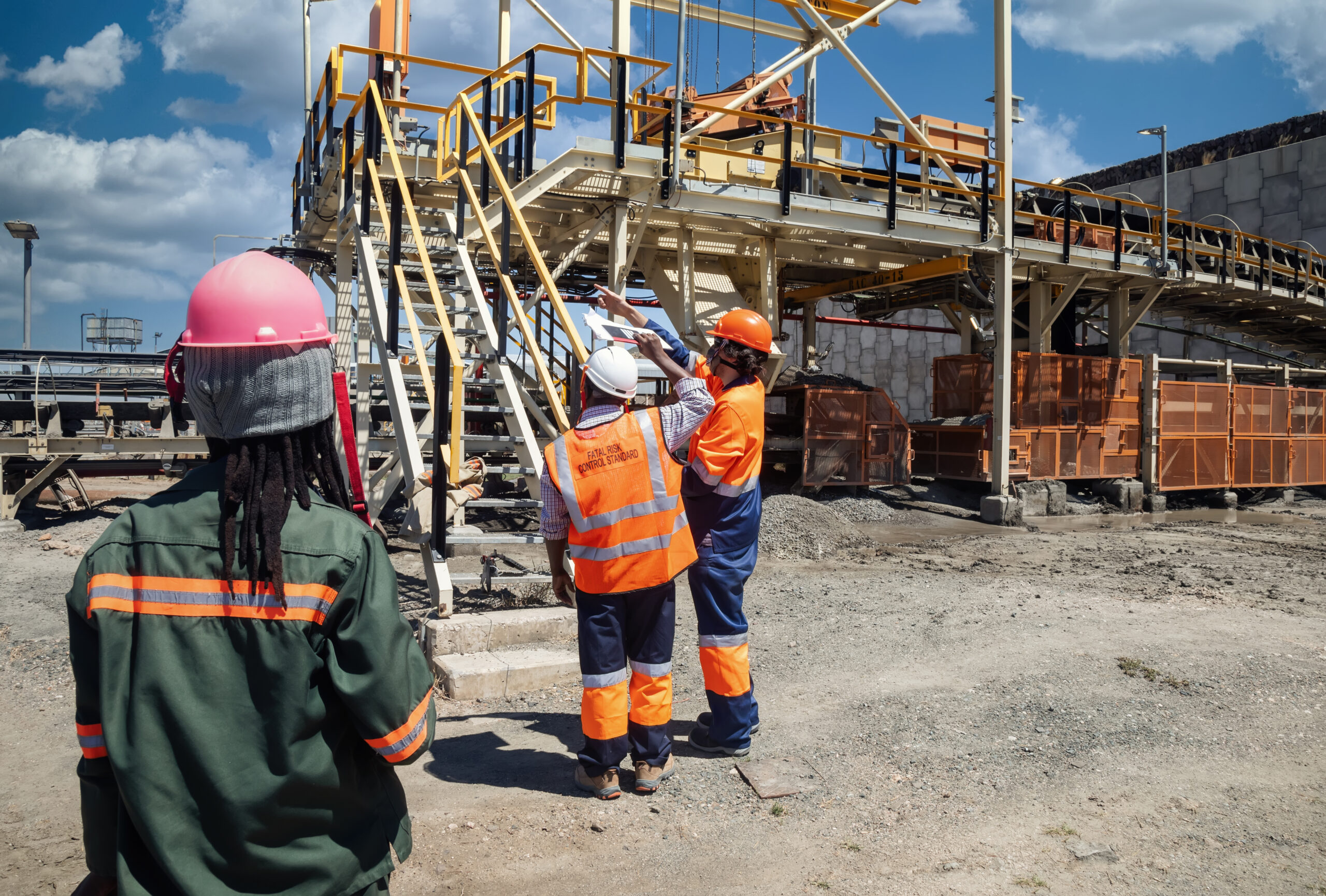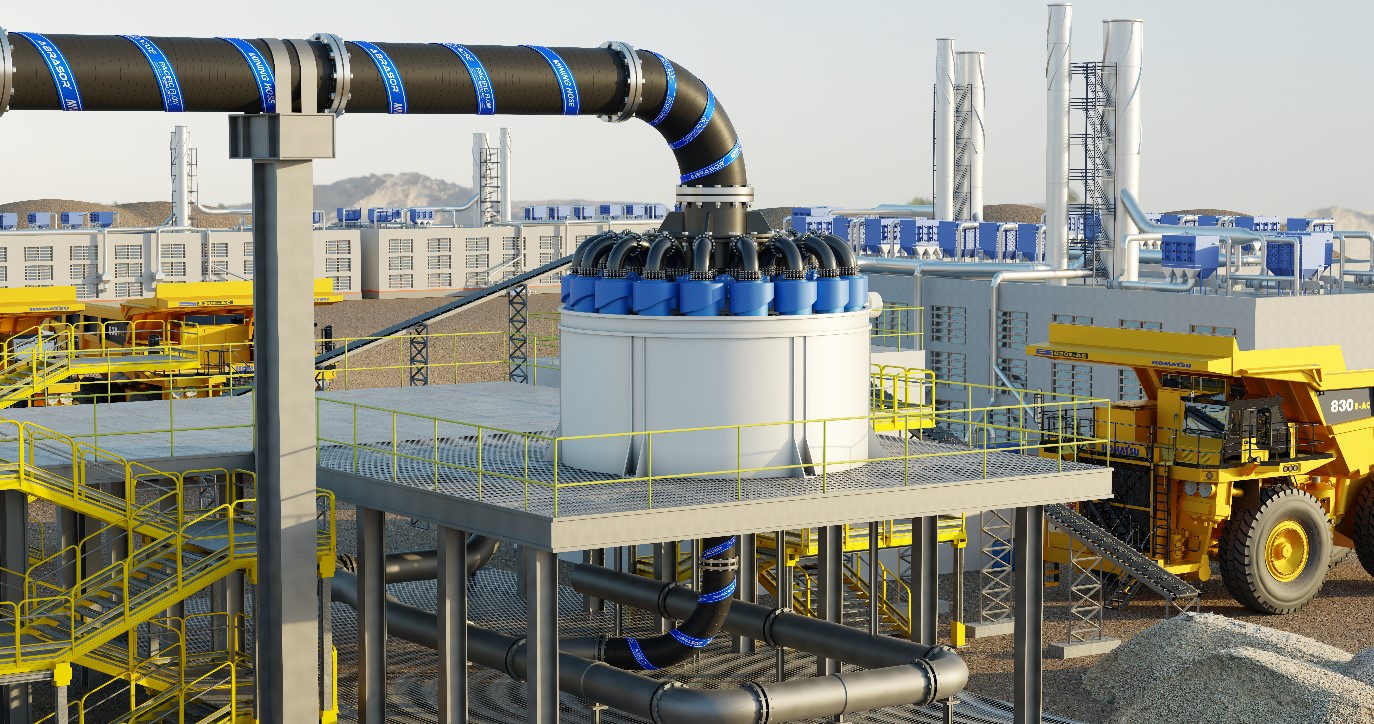


Choosing the right mining hose or slurry hose is critical to reliability, safety, and long-term operating cost. The wrong hose can lead to leaks, rapid wear, downtime, and repeated replacement costs. The right hose can improve uptime, reduce maintenance, and deliver a lower total cost of ownership.
Every application is different, so selecting the correct hose starts with understanding how and where it will be used.
What Is Going Through the Hose?
The first question is simple: what product is moving through the hose?
Abrasive Slurry
For abrasive slurry containing ore, tailings, sand, or rock fines, wear resistance is usually the most important factor. In these applications, liner quality has a major impact on hose life.
Important factors include:
- Particle size
- Solids concentration
- Flow velocity
- Required service life
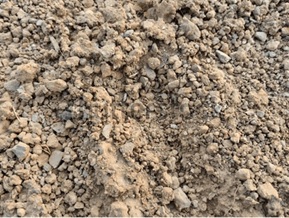
For demanding duties, a high-quality slurry hose with a premium abrasion-resistant liner is often the best solution.
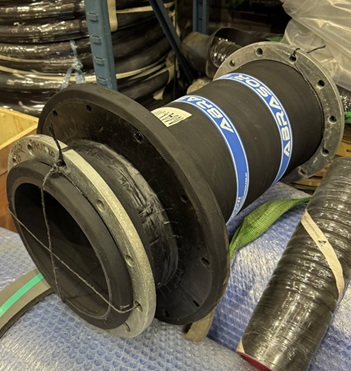
Our Abrasatech® wear liner has world leading abrasion resistance and is our go to choice for most high wearing slurries.
Water Transfer
For water transfer applications such as dewatering, irrigation, or hydromining, flexibility, pressure rating, and handling are often more important than abrasion resistance.
Chemicals, Fuel or Hydrocarbons
If chemicals, oils, diesel, or hydrocarbons are being conveyed, a standard rubber hose may not be suitable. These applications require specially selected compounds designed for chemical resistance.
Always confirm compatibility before selecting a hose.
Pressure and Vacuum Requirements
Your mining hose must be suitable for both pressure and vacuum conditions.
Working Pressure
The hose should safely handle:
- Normal operating pressure
- Pressure surges
- Pump start-up spikes
Selecting too low a pressure rating can lead to failure. Selecting too high can add unnecessary cost and stiffness.
Vacuum Service
Suction lines, pump inlets, and dredging applications may require vacuum-rated hose. Standard hose can collapse under suction if not designed correctly.
Suction hose will always include:
- Wire helix reinforcement
- In some applications such as a dredge trunnion steel hoops may be used
This is especially important for slurry pump suction lines.
Connection Style
The hose connection style should suit your plant and maintenance requirements.
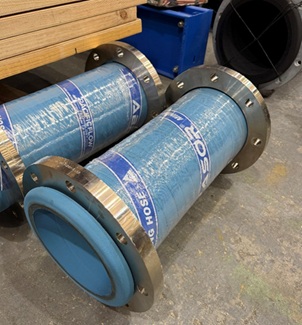
Flanged Ends
The most common option for slurry hose systems. Flanged ends provide a secure bolted connection and suits low to high pressure applications.
Common standards include:
- AS2129 (Table E, Table D etc.)
- ANSI B16.5 (CL150, CL300 etc.)
- ISO 7005 (PN16, PN16 etc.)
It is important to confirm the correct drilling pattern before manufacture.
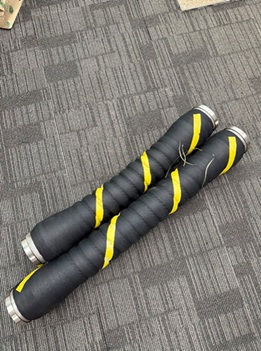
Victaulic / Grooved Ends
Often used where quick installation and easy maintenance are required.
Muff Couplings
Common for lines where hoses need to be cut to length on site.
Plain Ends / Cuffed Ends
Often used with muff couplings, or hose tail type couplings such as Bauer or Camlocks.
How Much Flexibility Is Required?
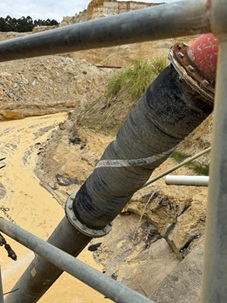
Not all mining hoses are equally flexible, and this can be critical in many applications.
Flexibility is important where there is:
- Tight bend radius
- Misalignment
- Pump vibration
- Equipment movement
- Frequent handling or coiling
If a hose is too stiff, it may kink, place stress on fittings, or fail early.
For applications requiring maximum flexibility, we can offer our Turboflex® range of mining hose —the most flexible mining hose in the world.
Selecting the right flexible hose can greatly improve service life and ease of use.
Special Operating Requirements
Some applications have special requirements that need to be considered when designing and manufacturing a mining hose.
High Temperature
Hot slurry, warm water, or elevated ambient temperatures can shorten hose life if unsuitable materials are used.
Fire Resistant / Anti Static
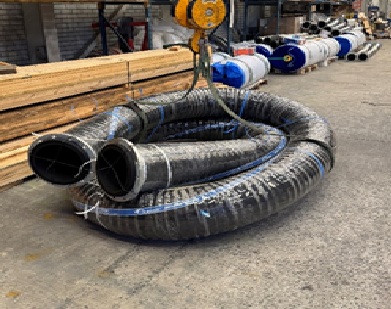
Coal mining and hazardous areas may require FRAS hose construction.
Flush Ports / branches
Ports, branches and extra flanges can be added on for specialty applications.
Final Thoughts
The best mining hose or slurry hose depends on the application. Material conveyed, pressure, vacuum, connection style, flexibility, and operating environment all affect performance.
When the right hose is selected, sites benefit from:
- Longer hose life
- Reduced downtime
- Easier installation
- Improved reliability
- Lower total cost of ownership
If you are unsure whether your current slurry hose is the best fit, reviewing the application with an experienced mining hose manufacturer can often deliver major improvements.