Choosing the right mining hose or slurry hose can have a significant impact on reliability, safety and long-term operating costs.
A hose that is poorly suited to the application can result in accelerated wear, leaks, unplanned downtime and frequent replacement. A correctly specified hose, however, can improve service life, simplify maintenance and ultimately reduce the total cost of ownership.
There is no single mining hose that is right for every application. Selecting the correct solution starts with understanding the material being conveyed, operating pressure, installation layout and environmental conditions.
1. Understand What Is Being Conveyed
The material passing through the hose is one of the most important considerations when determining its construction and rubber compound.
Abrasive Slurry
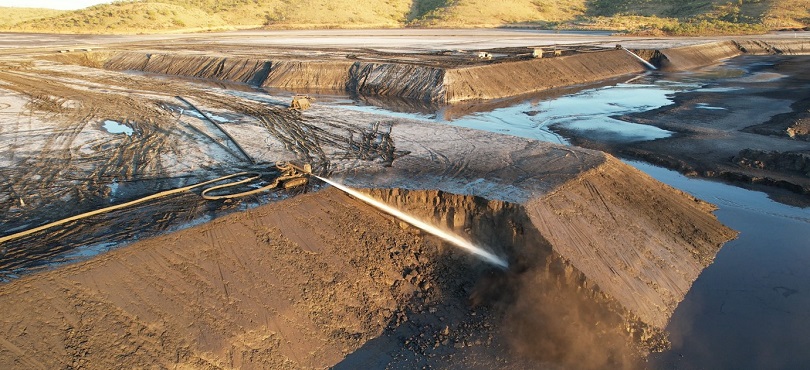
For abrasive slurries containing ore, tailings, sand or rock fines, liner performance is critical. Particle size, solids concentration, flow velocity and the overall severity of the application can all influence the rate of wear.
In demanding slurry applications, the quality of the inner liner can have a significant impact on service life.
Pacific Flow Technology’s Abrasatech wear liner is our preferred liner for highly abrasive slurry applications, offering exceptional abrasion resistance for demanding mining environments.
Water Transfer
Water transfer applications such as mine dewatering, raw water transfer and hydromining typically place greater emphasis on flexibility, pressure capability and ease of handling.
In these applications, the most abrasion resistant hose is not necessarily the best solution. Selecting a construction specifically suited to water transfer can provide a lighter, more flexible hose while maintaining the required pressure and durability.
Chemicals, Fuel and Hydrocarbons
Chemical and hydrocarbon applications require careful consideration of rubber compatibility.
Standard mining hose compounds may not be suitable for certain chemicals, oils, fuels or elevated temperatures. The inner liner should therefore be selected specifically for the media being conveyed and the operating conditions.
2. Consider Pressure and Vacuum Conditions
A mining hose should be selected for the actual operating conditions of the system, rather than simply matching the nominal pressure of the pump.
Working pressure, pressure surges and pump start-up conditions should all be considered when determining the required pressure rating.
Under specifying the hose can create a significant reliability and safety risk. At the same time, unnecessarily high pressure ratings can increase weight, stiffness and cost without providing a meaningful benefit to the application.
Vacuum conditions are equally important.
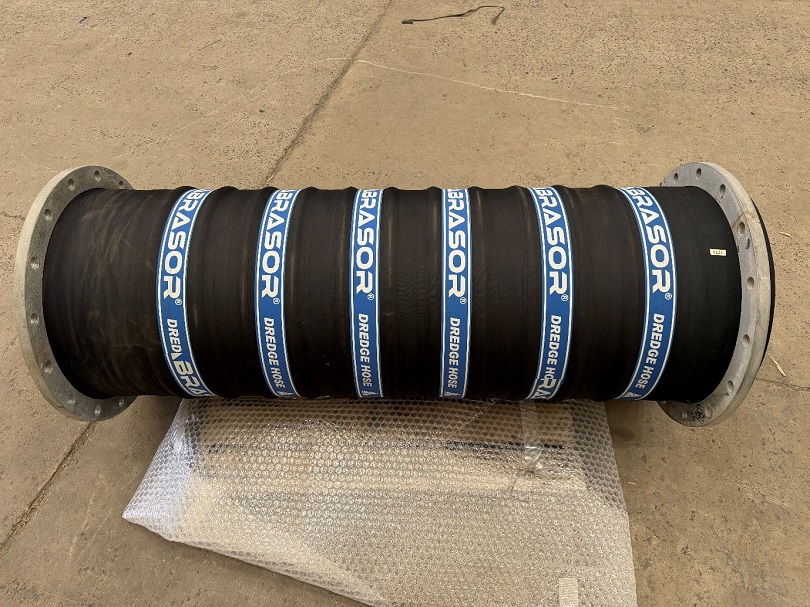
Suction lines, pump inlets and dredging applications require hose specifically designed to resist collapse under vacuum. These hoses typically incorporate wire helix reinforcement, while specialised applications such as dredge trunnion hoses may utilise steel hoop reinforcement.
Understanding whether the hose will operate under pressure, vacuum or a combination of both is therefore essential during the selection process.
3. Select the Right Connection Style
The hose end connection should suit both the existing pipework and the way the hose will be installed and maintained.
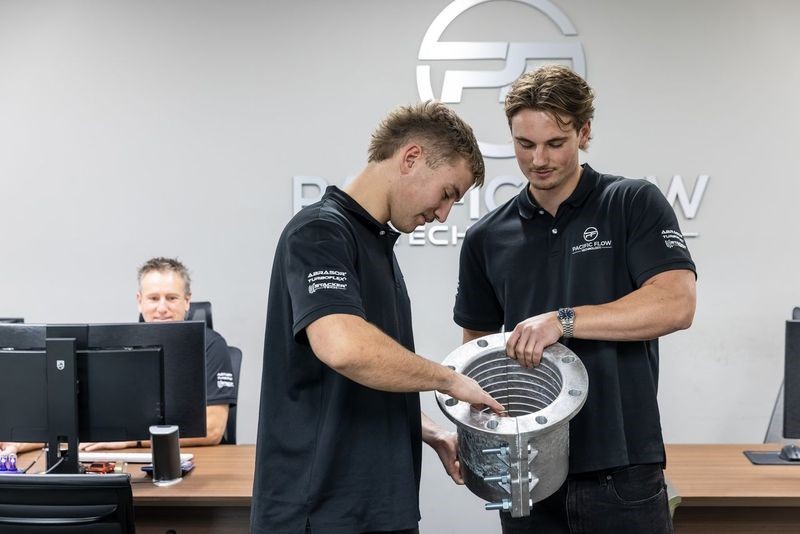
Flanged ends are the most common connection for mining and slurry hose systems, providing a secure connection across a wide range of operating pressures. Common flange standards include AS2129, ANSI B16.5 and ISO 7005, making it important to confirm the required flange drilling before manufacture.
Victaulic or grooved ends can be suitable where rapid installation and removal are important, particularly on temporary or frequently maintained lines.
Muff couplings are commonly used where hoses need to be cut or adjusted to length in the field, while plain or cuffed ends can accommodate hose-tail style connections such as Bauer and Camlock couplings.
The connection itself should be considered as part of the complete hose assembly rather than as an afterthought.
4. Determine How Much Flexibility Is Required
Flexibility is one of the most overlooked factors when selecting mining hose.
A hose may meet the required pressure and wear specifications but still perform poorly if it cannot comfortably accommodate the installation geometry.
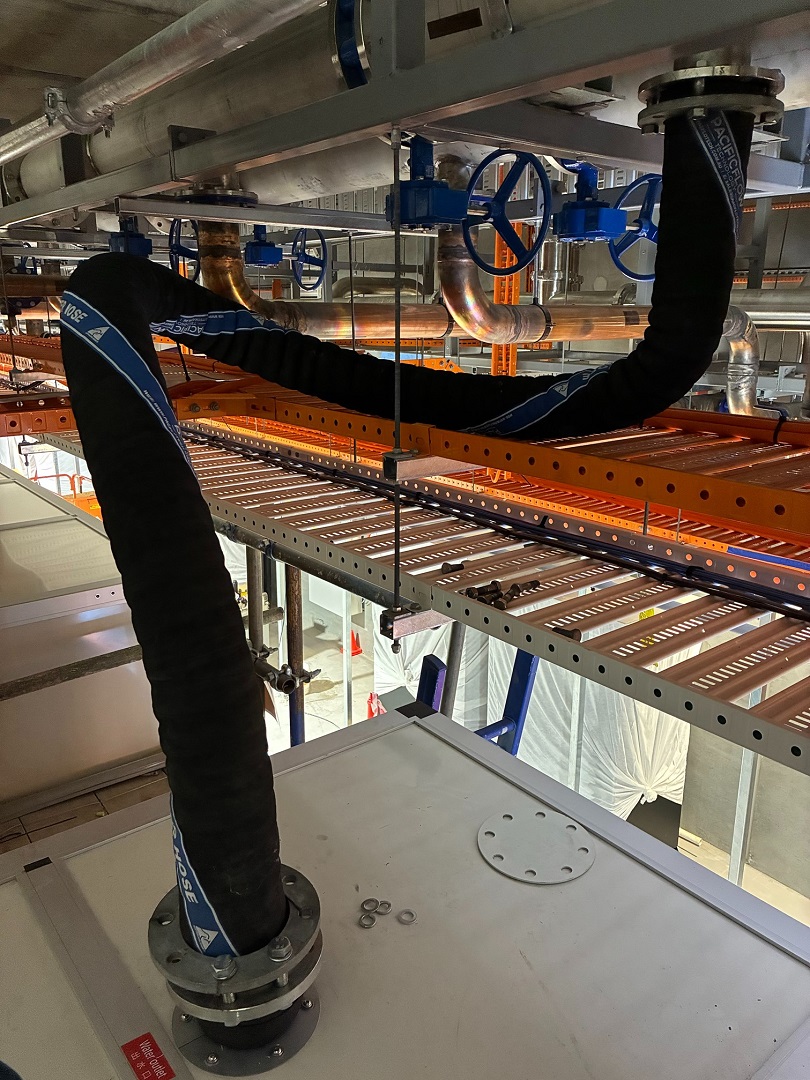
Tight bends, pipework misalignment, pump vibration, equipment movement and frequent handling can all place additional stress on a hose. If the hose is too stiff for the installation, it may kink, transmit excessive loads into adjoining pipework or experience premature failure.
For applications where flexibility is critical, Pacific Flow Technology offers the Turboflex range, developed to provide exceptional flexibility in demanding mining applications.
Greater flexibility can also create opportunities to simplify piping layouts, eliminate some preformed bends and make large-bore hose assemblies considerably easier to install, rotate and maintain.
5. Account for the Operating Environment
The surrounding operating environment can be just as important as the material travelling through the hose.
Temperature
Elevated slurry, water or ambient temperatures can accelerate rubber degradation when the wrong compound is selected. For higher-temperature applications, the liner and cover compounds should be matched to the expected continuous and maximum operating temperatures.
Fire Resistance and Anti-Static Requirements
Coal mines and other hazardous operating environments may require FRAS (Fire Resistant and Anti-Static) hose construction.
These requirements should be identified at the specification stage so the appropriate materials and construction can be incorporated into the hose.
Custom Connections and Features
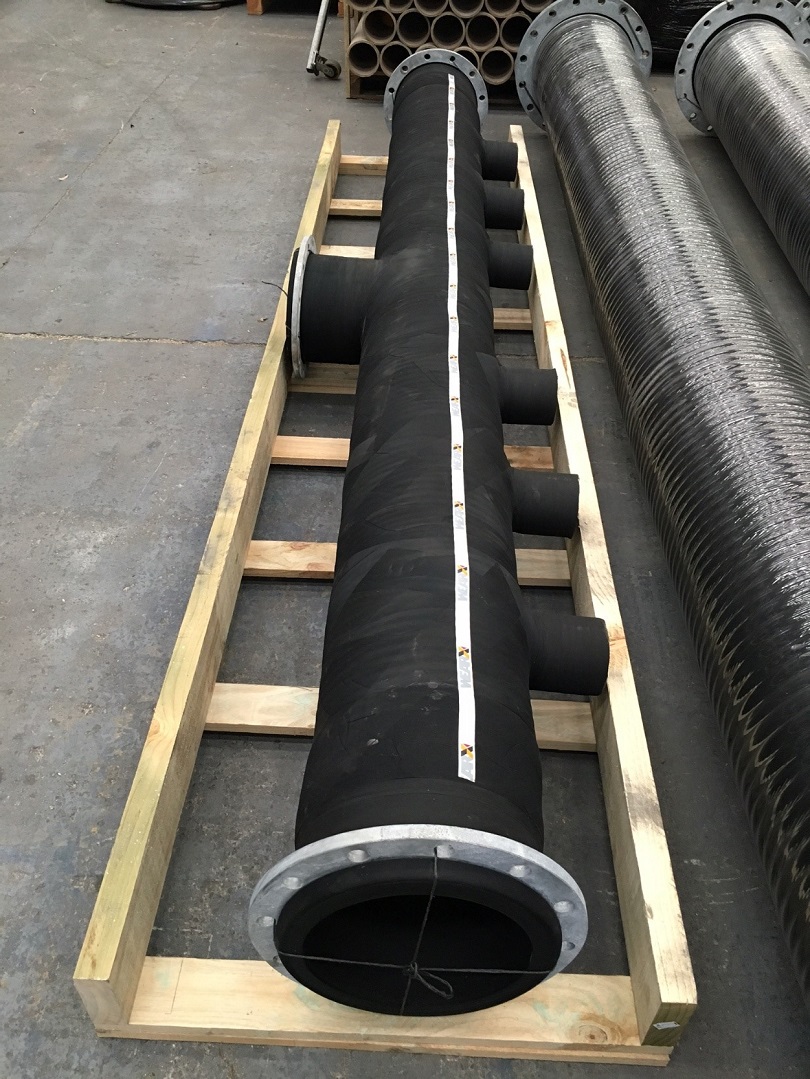
Mining hose assemblies do not always need to be simple straight lengths.
Flush ports, branches, additional flanges, reducers and other custom features can be incorporated into the hose design where required. A purpose-built assembly can often simplify the surrounding pipework and provide a better overall solution than adapting a standard hose to the application.
Selecting the Complete Hose Solution
The best mining hose is not necessarily the heaviest, highest pressure or most abrasion resistant option available. It is the hose that has been correctly matched to the application.
Material conveyed, pressure and vacuum conditions, connection style, flexibility, temperature and the surrounding operating environment should all be considered together.
When these factors are properly understood, a mining hose can be designed around the application rather than forcing the application to suit an off-the-shelf product.
The result can be longer service life, improved reliability, easier installation, reduced maintenance and a lower total cost of ownership.
If you are unsure whether your current mining or slurry hose is the best fit for the application, Pacific Flow Technology can review your operating conditions and recommend a hose construction specifically suited to the duty.