
When a slurry hose wears prematurely, the first question is often whether a different hose specification would have lasted longer. While hose selection is important, one of the biggest influences on slurry hose performance is often overlooked: pipeline geometry.
Every bend, reducer, expansion and elevation change affects how slurry flows through a pipeline. Unlike water, slurry contains solid particles with mass. These particles don’t instantly follow changes in the flow path—they continue travelling under their own momentum until they strike the pipeline wall.
Good pipeline design isn’t just about getting slurry from one point to another. It’s about controlling where wear occurs and designing the system to minimise it.
Directional Changes
Directional changes are typically the highest wear locations in a slurry pipeline.
As slurry flows through a bend, the liquid changes direction relatively quickly while the solid particles continue travelling due to inertia. This forces the particles into the outer radius of the bend, creating concentrated wear that is often far more severe than in straight sections.
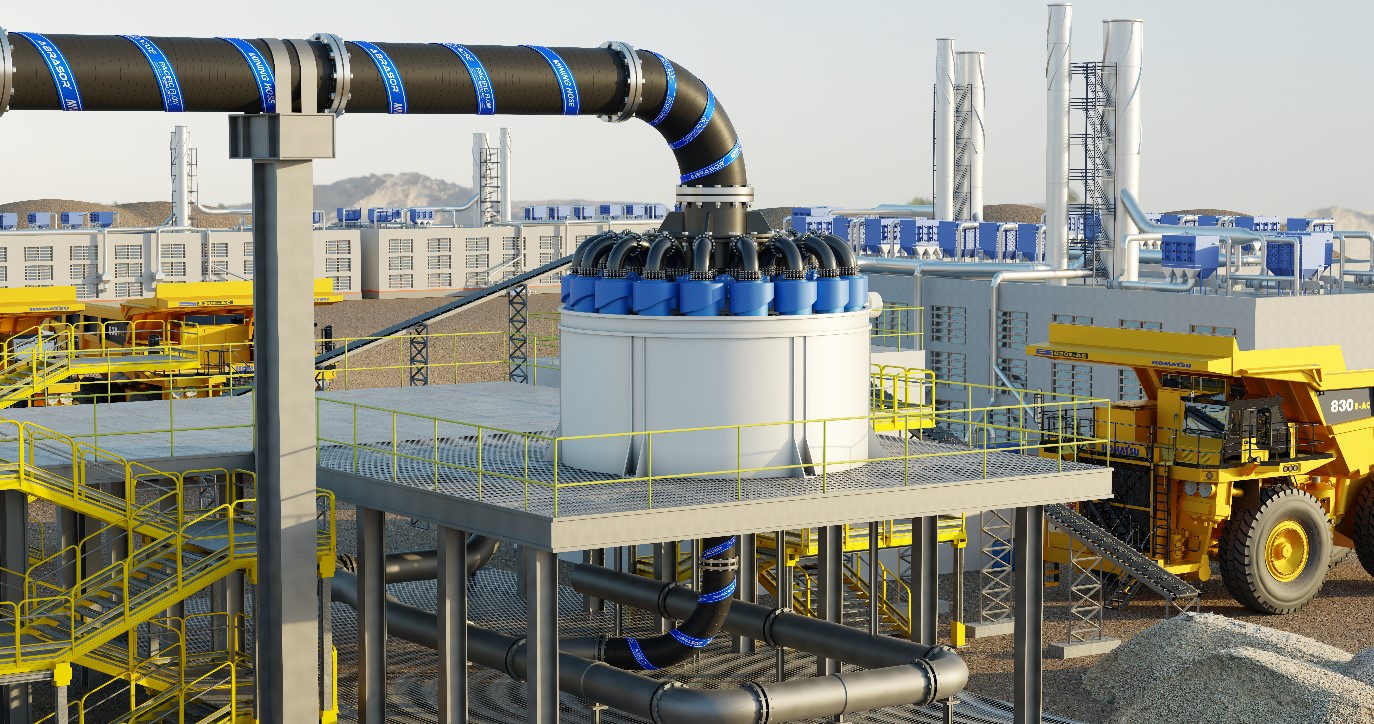
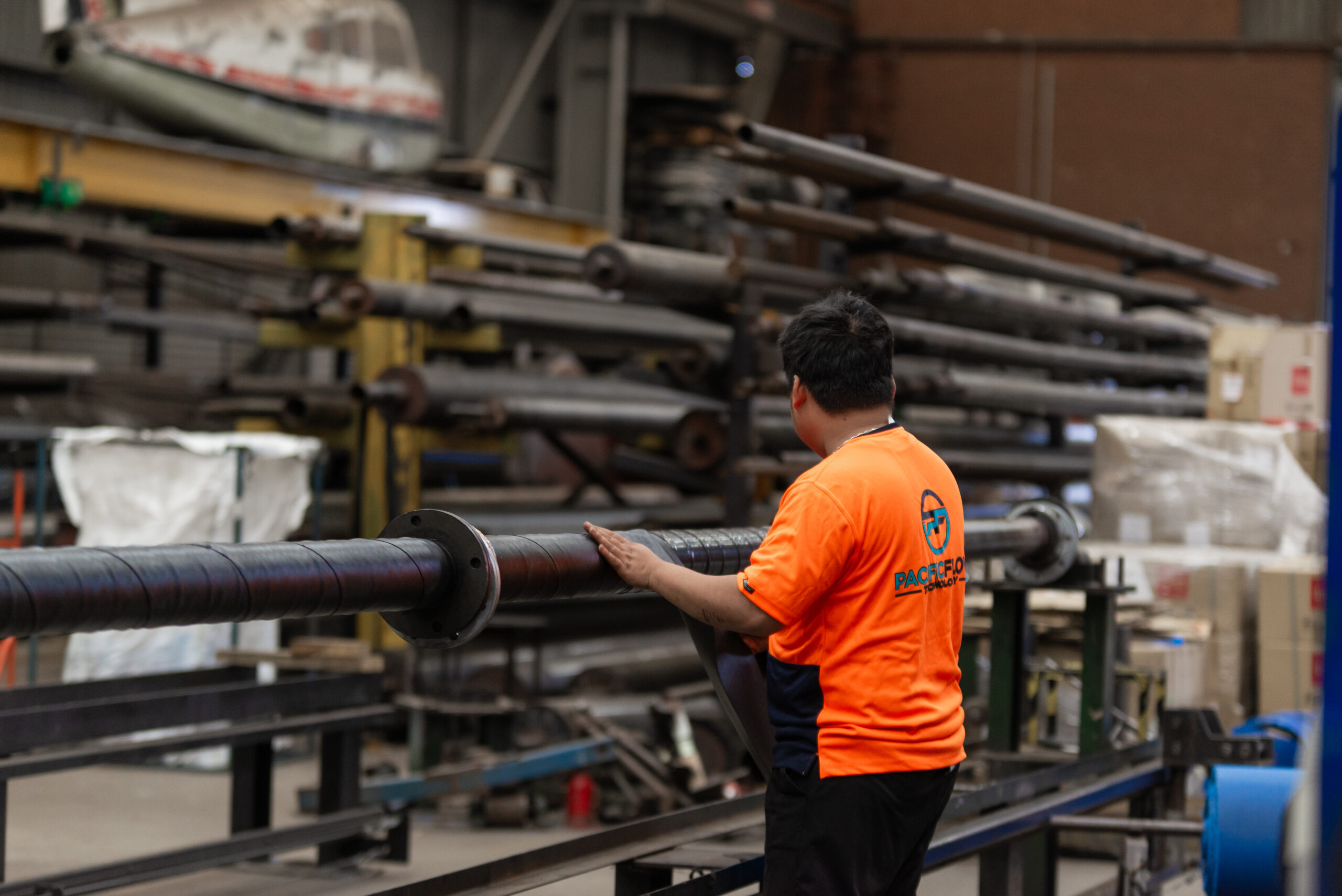
Where possible, long-radius bends should be used instead of tight elbows. A gradual change in direction reduces particle impact angles and spreads wear over a much larger area, significantly extending slurry hose service life.
Long-radius bends also provide maintenance benefits when flexible slurry hose is used. Rather than manufacturing preformed bends, straight hose lengths can often be flexed into position during installation. As the outer radius wears, the hose can often be rotated during maintenance so a fresh section of liner becomes the new wear surface, extending the life of the assembly before replacement is required.
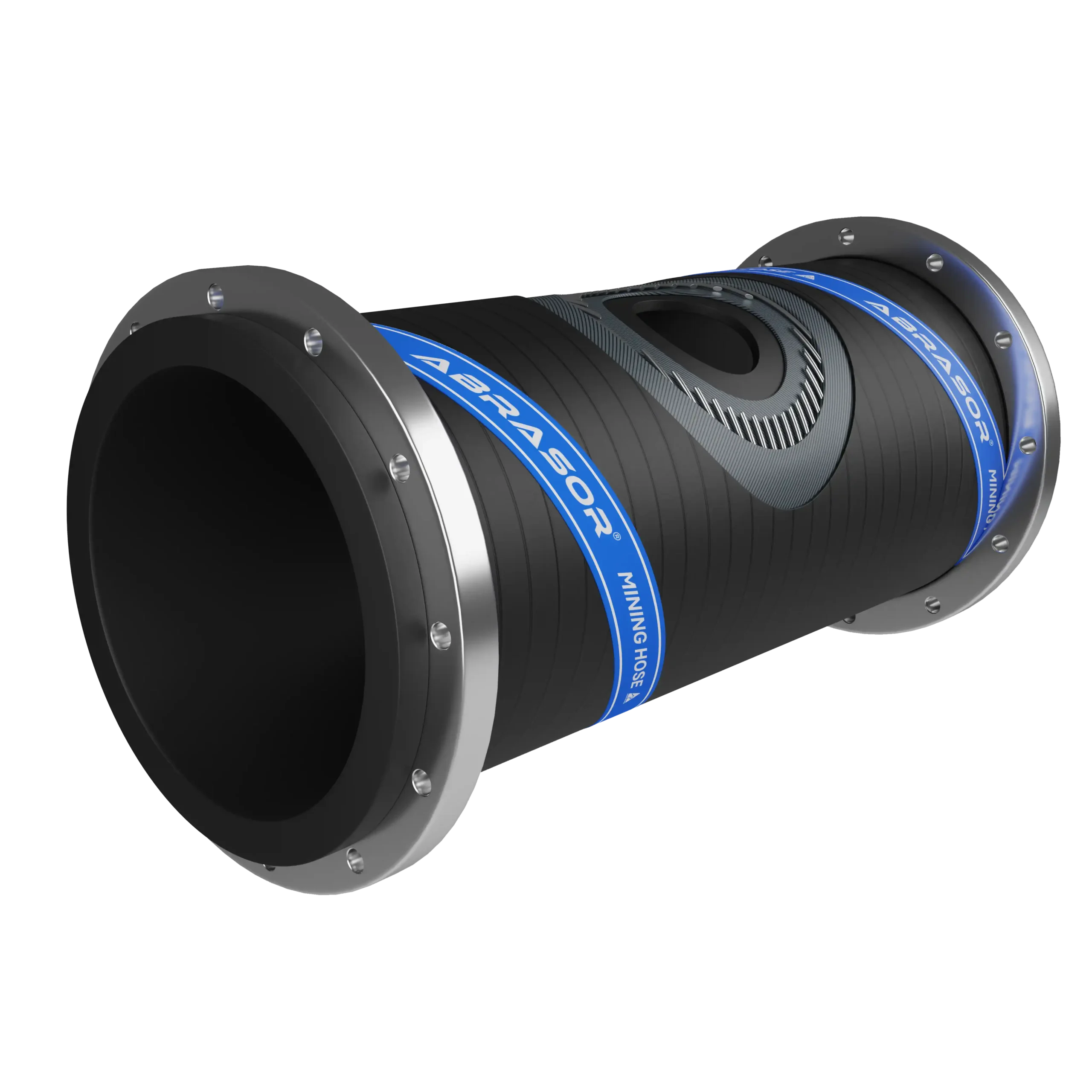
This approach also reduces the number of pipeline joints and simplifies future maintenance. Highly flexible hose designs, such as our Turboflex® range, can be flexed down to a 2D bend radius, making them ideal for creating smooth directional changes using straight hose assemblies.
Vertical Transitions
Vertical to horizontal transitions are another common wear location.
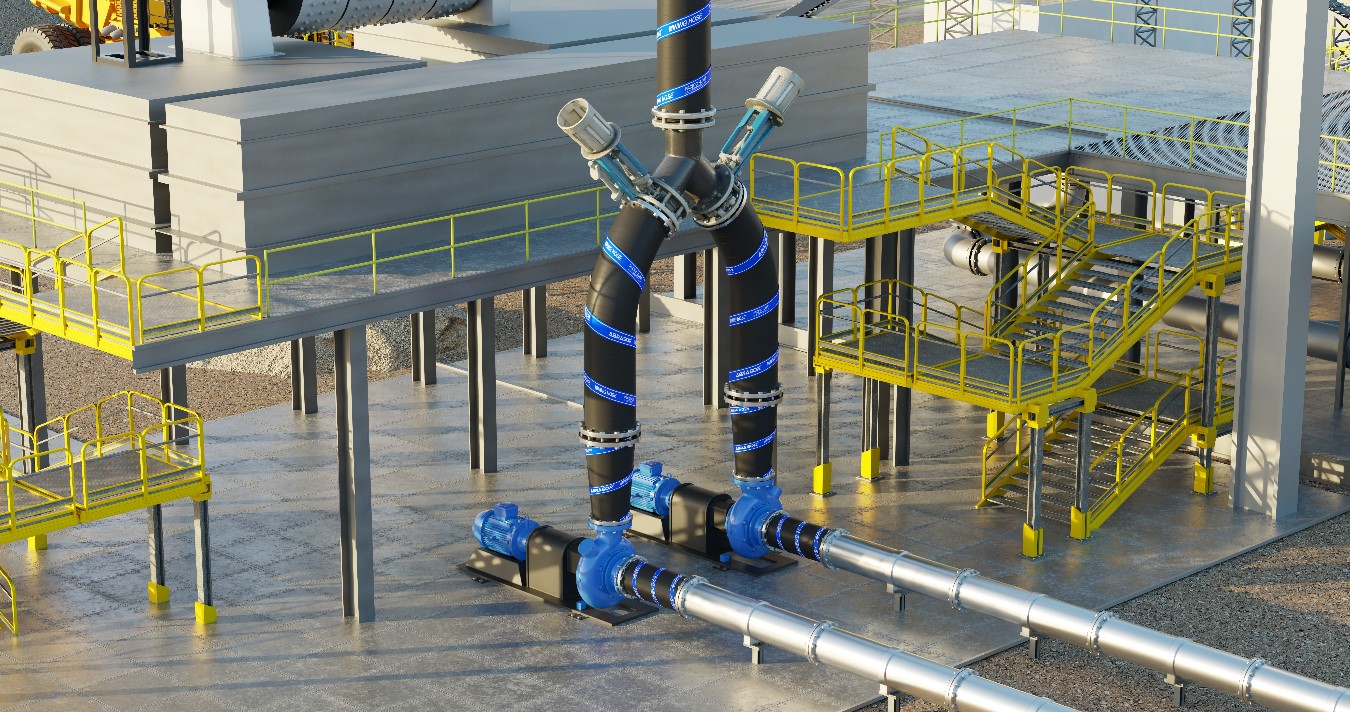
As slurry accelerates down a vertical section, the solid particles gain momentum before impacting the lower wall of the horizontal pipeline. This creates a combination of impact and sliding abrasion that can rapidly wear the slurry hose if the transition is too abrupt.
Using smoother directional changes helps reduce impact forces and distributes wear over a greater length of hose.
Pipeline Diameter Changes
Changes in pipeline diameter also influence slurry hose performance.
Abrupt reducers increase slurry velocity and turbulence, causing particles to strike the hose wall with greater energy. Sudden expansions can create recirculation zones where solids settle and repeatedly wear the same area.
Where possible, reducers and expansions should be gradual to maintain stable flow and minimise turbulence. While eccentric reducers are commonly used on pump suction lines to promote smoother flow, the overall transition length generally has a much greater influence on wear than the reducer style itself.
Pipeline Routing
The shortest pipeline is not always the best pipeline.
Every unnecessary bend increases pressure loss and creates another potential wear location. A slightly longer pipeline with fewer directional changes will often deliver significantly longer slurry hose life than a shorter route containing multiple tight elbows.
Considering pipeline routing early in the design process can reduce both wear and ongoing maintenance.
Designing for Maintenance
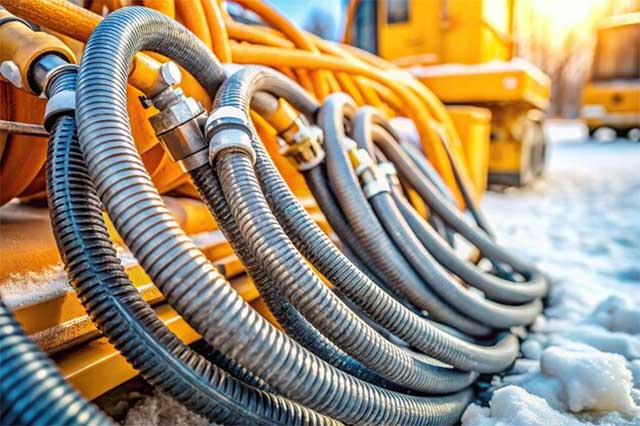
A common mistake in slurry pipeline design is using slurry hose sections that are too short. Around slurry pumps, it’s common to see multiple short hose spools used alongside reducers, steel spool pieces and filled arch expansion joints. While this achieves the required layout, it often provides very little flexibility.
Longer slurry hose assemblies are often a better solution. The additional length allows the hose to naturally absorb vibration, thermal expansion, pressure pulsations and minor misalignment, reducing loads transferred into the pump and surrounding pipework.
Using longer hose assemblies can also replace multiple components with a single slurry hose, reducing the number of flanged joints, simplifying maintenance and improving overall pipeline reliability.
Key Takeaways
The performance of a slurry hose is influenced by much more than the hose itself. Pipeline geometry determines where particles impact, where turbulence develops and ultimately where wear occurs.
By incorporating long-radius bends, gradual diameter transitions, smooth pipeline routing and maintenance-friendly layouts, engineers can significantly improve slurry hose service life while reducing downtime and total operating costs.
At Pacific Flow Technology, we work with customers to optimise both slurry hose selection and pipeline design, helping deliver more reliable slurry transport systems with lower lifetime maintenance requirements.